How Common Is Female Genital Mutilation (FGM) in the U.S.?

Girls (The Borgen Project)

Girls (The Borgen Project)

Generally, when people the phrase “female gentile mutilation,” they think of countries where that’s a common practice. Well, actually, many people tend to think of just one continent: Africa. It’s implied that since Africa is less developed and empowered, people don’t think it can happen in the U.S.

Well, it does. And significantly. FGM has been coming to light recently here in the U.S. For a quick primer: Forms of FGM include removing the clitoris to completely sewing the vagina lips shut, done for non-medical purposes. The procedure is usually done without anesthesia, and leaves victims with severe repercussions, especially with the reproductive system. The main goal is to ensure the victim’s virginity and sexual loyalty to her partner.

The Population Reference Bureau studied the rate of FGM in the U.S., and published results earlier this year. It’s estimated that 507K+ women have either had the procedure done, or are at-risk of having it. (The results gave no way to break down the number further into those who definitively have had it done.) Some commonalities have been found about those at risk:

The estimated number of girls at risk is based on the number of daughters of immigrants from countries, mostly in Africa and from some communities in Asia, living in the U.S.

Over 166K women at risk are under the age of 18.

Prior to these results, a study was performed in 2000. Fifteen years ago, it was estimated 227K+ women were at risk for FGM. (It’s unclear as to whether the number included women who’d had the procedure done.)

Performing FGM in the U.S. was made illegal in 1996, and the practice of sending a girl to another country for the procedure (termed “vacation cutting”) was made illegal in 2013. It’s clear there are not enough protections in place to stop this barbaric practice, so I hope strides will be made in the right direction.
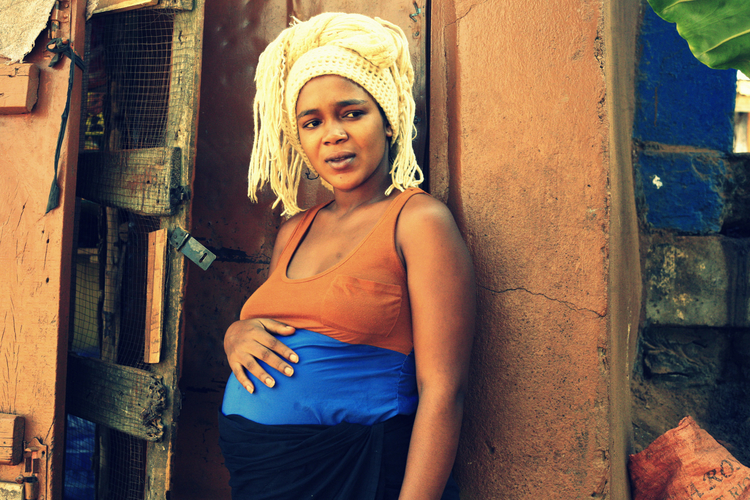
Pregnant Girls Banned from Sierra Leone Schools

Pregnant Sierra Leone woman (The Fatou Blog)

Pregnant Sierra Leone woman (The Fatou Blog)

Schools in Sierra Leone closed during the Ebola epidemic are scheduled to re-open today, welcoming children eager to learn again. But the country’s Minister of Education Minkailu Bah has banned one group from returning: pregnant teen girls, claiming they’re a distraction to their peers and would hinder learning.

Incidentally, this ban isn’t new, having been in place since 2010. But it’s making headlines now.

Whether or not this qualifies as a “distraction” is another debate entirely, but teenage pregnancies within the country are becoming more common. A recent long-term study by the UNESCO HIV and Health Education Clearing House found that 33%+ of all Sierran Leonian pregnancies involve teen girls, and nearly 40%+ are involved in a “maternal death.” For context relative to the size of the country’s population, 41% of Sierra Leone citizens are under age 18. Those are some scary stats.

Sierra Leone isn’t the only country battling this issue. As a whole, Africa has the highest rates of teenage pregnancies, taking 18 of the top 20 spots in a 2013 United Nations Population Fund (UNFPA) rankings report.

The recent teenage pregnancy epidemic has been attributed to Ebola, in that girls who might otherwise be attending school are now more vulnerable to sexual violence. They may also have to survive and provide, and do so via prostitution. So there might be a bit of a substitution effect at play here.

But human rights governing bodies have taken note of Bah’s stance. The United Nations issued a statement in which stated that “education is a fundamental human right that Sierra Leone has committed itself to uphold.” The UN also reminded the country of its own Education Act, passed in 2004, which barred discrimination of those seeking education.

We’ll see how Bah’s proposed idea pans out. But the words of UNFPA’s Executive Director Babatunde Osotimehin ring true here:

Adolescent pregnancy is intertwined with issues of human rights. A pregnant girl who is pressured or forced to leave school, for example, is denied her right to education.